








Creating a relaxing home workspace is essential for anyone who spends significant time working from home. A well-designed environment not only improves focus and efficiency but also helps reduce stress and maintain a healthy work-life balance. Whether you have a dedicated room or just a small corner, transforming your workspace into a peaceful, inviting area is achievable with a few thoughtful steps. Here’s how to create a relaxing home workspace that supports your best work.
Why a Relaxing Workspace Matters
Your workspace influences your mood and productivity. When it feels cluttered or uncomfortable, it can increase stress and distract from tasks. Conversely, a calm and organized environment promotes concentration, creativity, and well-being. Investing time in designing a space that feels good to be in can have lasting positive effects on your work habits.
Choose the Right Location
Selecting the best spot for your workspace is the foundation of a relaxing setup.
– Natural Light: Position your desk near a window to benefit from natural light, which helps regulate your circadian rhythm and reduces eye strain.
– Quiet Area: Find a quiet corner away from household traffic to minimize distractions.
– Separate from Living Areas: If possible, avoid working in bedrooms or lounges to maintain clear boundaries between work and personal life.
Focus on Comfort and Ergonomics
Comfort is key to staying relaxed and productive.
– Ergonomic Chair: Invest in a chair that supports your back and encourages good posture. Adjustable height and lumbar support are important features.
– Desk Height: Your desk should allow your arms to rest comfortably at a 90-degree angle when typing.
– Monitor Position: Place your computer screen at eye level to avoid neck strain.
– Footrest: Consider a footrest if your feet don’t reach the floor comfortably.
Declutter and Organize
A clutter-free workspace reduces mental clutter.
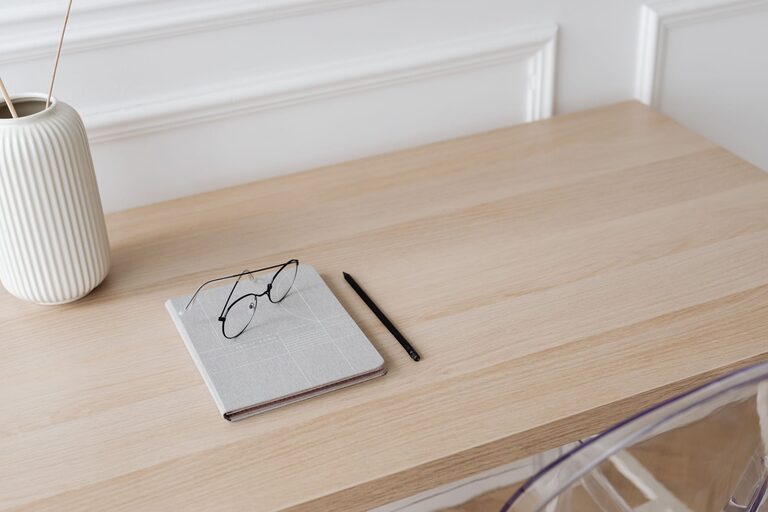
– Minimal Items: Keep only items you regularly use on your desk.
– Storage Solutions: Use drawers, shelves, or organizers to tuck away supplies.
– Cable Management: Use clips or sleeves to keep cords neat and out of sight.
– Daily Tidy Up: Spend a few minutes at the end of each day to tidy your area.
Incorporate Calming Elements
Adding soothing touches can make your workspace more inviting.
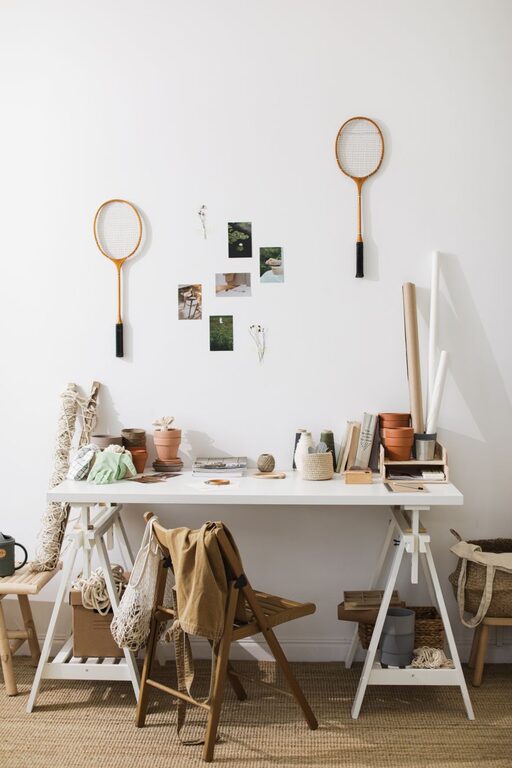
– Colors: Use soft, neutral colors like light blues, greens, or pastels on walls or accessories.
– Plants: Small indoor plants improve air quality and add a natural calming presence.
– Lighting: Use warm, adjustable lighting rather than harsh fluorescents. A desk lamp with dimming can help.
– Artwork: Hang calming artwork or inspirational quotes that motivate you.
– Texture: Add cozy elements like a cushioned chair pad or a soft rug.
Personalize Your Space
Your workspace should reflect your personality to make it a welcoming place.
– Photos: Include a few favorite photos or mementos.
– Scent: Use essential oils or candles with relaxing scents like lavender or eucalyptus, but keep safety in mind.
– Music: Create a playlist of soft background music or nature sounds to enhance focus.
Take Breaks and Move
Even the best workspace can’t replace healthy work habits.
– Break Timer: Use a timer to remind yourself to take short breaks every hour.
– Stretching: Stand up, stretch, or walk around to reduce stiffness and refresh your mind.
– Hydration: Keep a water bottle nearby to stay hydrated throughout the day.
Maintain Healthy Boundaries
Keeping your work and home life separate supports a relaxing atmosphere.
– Set Hours: Define specific start and finish times for your workday.
– Close Up Shop: At the end of your workday, clear your desk and turn off work devices to signal the end of work time.
– Use Rituals: Create a ritual to transition into and out of work mode, like lighting a candle in the morning and blowing it out when you finish.
Summary Checklist for a Relaxing Workspace
– Choose a quiet, well-lit location
– Invest in ergonomic furniture
– Declutter and organize regularly
– Add plants and calming colors
– Personalize with photos and scents
– Use warm, adjustable lighting
– Take regular breaks and move
– Set clear work boundaries
—
Designing a relaxing home workspace is not about perfection but about making intentional choices that support your comfort and focus. With these tips, you can create a space that helps you work efficiently while feeling calm and inspired every day.