










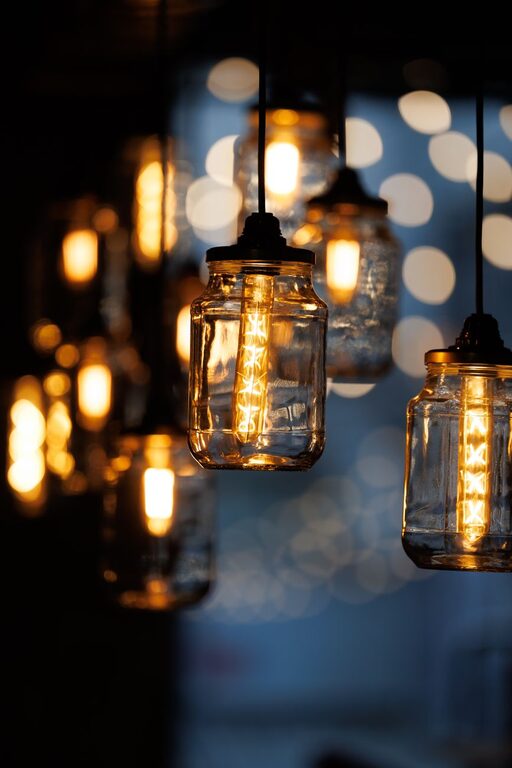
Creating a comfortable environment at home often starts with the right lighting. Proper lighting not only affects how a room looks, but also how it feels and functions. With countless options available—from bulbs to fixtures to control systems—choosing the perfect lighting can seem overwhelming. This guide will help you understand key considerations and practical tips to make your home lighting comfortable and inviting.
Why Comfortable Lighting Matters
Lighting influences mood, productivity, and even health. Harsh or poorly placed lights can cause eye strain, headaches, or disrupt your daily routines. Comfortable lighting supports relaxation, visibility, and enhances the style of your space.
Understand Different Types of Lighting
Before choosing fixtures or bulbs, it’s essential to know the three main types of lighting:
1. Ambient Lighting
This is the general lighting that provides overall illumination for a room. Think ceiling-mounted fixtures, chandeliers, or recessed lights. It sets the base level of light so you can navigate the space safely.
2. Task Lighting
Designed for specific activities like reading, cooking, or working at a desk. Examples include desk lamps, under-cabinet lights, or adjustable floor lamps. Task lighting should be bright enough to reduce eye strain on focused tasks.
3. Accent Lighting
Used to highlight architectural features, artwork, plants, or decorative items. Accent lighting, such as track lights or wall-mounted fixtures, adds depth and texture to a room.
Combining these lighting layers helps create a balanced, comfortable atmosphere.
Tips for Choosing Comfortable Home Lighting
1. Consider the Room’s Purpose
Each room has different lighting needs. For example, the living room benefits from soft, warm lighting for relaxation, while the kitchen requires brighter, clear lights for cooking safely. Plan lighting designs based on how you use each space.
2. Select the Right Color Temperature
Color temperature is measured in Kelvins (K) and affects the mood of a room:
– Warm light (2700K–3000K): Creates a cozy, inviting feel—ideal for bedrooms and living rooms.
– Neutral white (3500K–4100K): Balanced tone good for kitchens and bathrooms.
– Cool white (5000K–6500K): Bright and energizing, often used in workspaces.
Choosing the appropriate color temperature supports visual comfort and ambiance.
3. Don’t Overlook Dimmers
Dimmers allow you to adjust light intensity to suit different times of day and activities. Installing dimmer switches can transform a room from bright and lively to soft and serene, enhancing comfort.
4. Use Multiple Light Sources
Avoid relying on a single overhead light. Layer multiple light sources—such as table lamps, wall sconces, and pendant lights—to reduce shadows and distribute light evenly throughout the room.
5. Choose the Right Bulbs
LED bulbs are the most energy-efficient and long-lasting option. Look for bulbs with good Color Rendering Index (CRI) above 80 to ensure colors in your home appear natural and vibrant under the light.
6. Position Lighting Thoughtfully
Consider how light falls and reflects in your space. Position lights to avoid glare on screens or creating harsh shadows. For reading or tasks, place light sources on the opposite side of your dominant hand to minimize shadowing.
7. Match Fixtures to Your Style
While comfort is important, lighting also contributes to your home’s decor. Choose fixtures that complement your style—whether modern, rustic, or classic—to create a harmonious look.
Extra Considerations for Specific Rooms
Living Room
Use a mixture of ambient and accent lighting. Warm light tones with dimmers help create a relaxing environment. Floor lamps near seating areas add convenience.
Kitchen
Focus on bright, neutral lighting. Task lights under cabinets improve visibility on countertops. Avoid shadows by positioning lights carefully.
Bedroom
Soft, warm lighting promotes relaxation. Bedside lamps with adjustable settings are perfect for reading and winding down.
Bathroom
Bright, neutral lighting is essential for grooming tasks. Use vanity lights around mirrors to reduce shadows on your face.
Final Thoughts
Comfortable home lighting blends functionality with atmosphere. By understanding lighting types, considering room use, and choosing the right bulbs and fixtures, you can create spaces that look great and feel welcoming. Don’t hesitate to experiment with layers of light and dimmers to find what works best for your home.
Investing time in planning your lighting can significantly enhance your everyday living experience. Happy lighting!